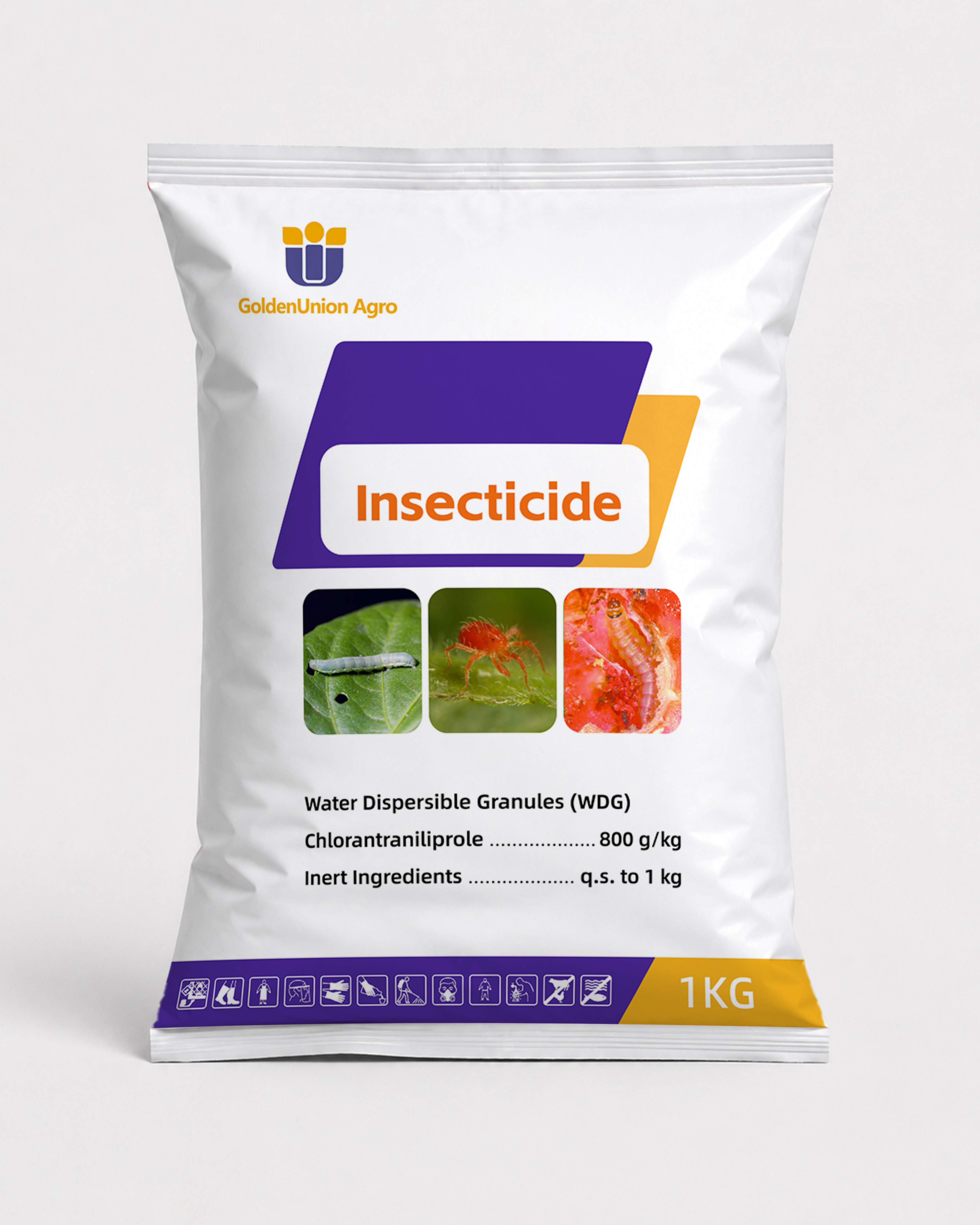
Chlorantraniliprole 80% WDG
New-generation diamide insecticide with systemic, contact, and stomach action. It provides excellent control of lepidopteran pests by activating ryanodine receptors, causing rapid feeding cessation and muscle paralysis.
Active Ingredient
Formulation
Packaging
Chlorantraniliprole
WDG
50~10,000 g/bag
25 kg/drum or bag
Customized packaging & labels available
Available Formulations0.01%, 0.03%, 0.4% GR;
50% SC;
35% WDG;
5%, 200 g/L SC
Technical Material (TC)95.30%
Combination FormulationsLambda-cyhalothrin, Thiamethoxam, Abamectin, Acetamiprid, Clothianidin
Features
Effective against caterpillars and other lepidopteran pests, even at very low application rates.
Fast feeding inhibition, long residual control, and excellent performance against resistant pest populations.
Widely used on vegetables, fruits, rice, corn, cotton, and other crops, with high crop safety.
Application Guide
| Application Crops | Target Pests | Recommended Application Rate | Application Timing |
|---|---|---|---|
| Vegetable Crops | |||
| Cabbage, Broccoli, Cauliflower, Tomato, Pepper, Eggplant, Cucumber, Melon, Watermelon, Potato | Diamondback Moths, Cabbage Caterpillars, Cabbage Loopers, Beet Armyworms, Fall Armyworms, Tobacco Caterpillars, Tomato Fruit Borers, Tomato Leafminers Where Registered, Potato Tuberworms, Leafrollers, Fruit Borers, Shoot Borers, Selected Leafminers | 15–75 g/ha | Apply at egg hatch, early larval stage, or when young larvae first appear. For borers and fruit-feeding pests, apply before larvae enter fruits, stems, shoots, tubers, or folded leaves |
| Field Crops | |||
| Rice, Corn, Cotton, Soybean, Peanut | Rice Stem Borers, Yellow Stem Borers, Rice Leafrollers, Corn Borers, Corn Earworms, Fall Armyworms, Cotton Bollworms, Tobacco Budworms, Soybean Loopers, Armyworms, Pod Borers, Spodoptera Larvae, Selected Lepidopteran Larvae | 30–100 g/ha
| Apply according to field scouting, egg hatch, or early larval activity. For rice stem borers, corn borers, bollworms, and pod borers, treatment should be made before larvae bore into stems, ears, bolls, pods, or other protected feeding sites |
| Fruit Crops | |||
| Citrus, Grape, Apple, Pear, Peach, Mango, Pomegranate, Stone Fruits | Leafrollers, Codling Moths, Oriental Fruit Moths, Fruit Borers, Citrus Leafminers Where Registered, Citrus Cutworms, Grapevine Moths, Pomegranate Butterflies, Peach Twig Borers, Defoliating Caterpillars, Selected Lepidopteran Larvae | 60–125 g/ha
| Apply based on pest monitoring, pheromone trap catches, egg hatch, or early larval activity. Good coverage of young shoots, leaves, fruit surfaces, and canopy feeding sites is important |
| Cash Crops | |||
| Sugarcane, Tea, Tobacco, Ornamentals, Nursery Crops, Greenhouse Crops | Sugarcane Borers, Early Shoot Borers, Top Borers, Tea Caterpillars, Tea Loopers, Tobacco Budworms, Cutworms, Armyworms, Leafrollers, Flower Caterpillars, Defoliating Caterpillars, Selected Borers | 40–120 g/ha
| Apply at early pest occurrence. For borers, leafrollers, and caterpillars, treatment should target egg hatch or young larvae before pests enter protected feeding sites |
Target Crops & Pests
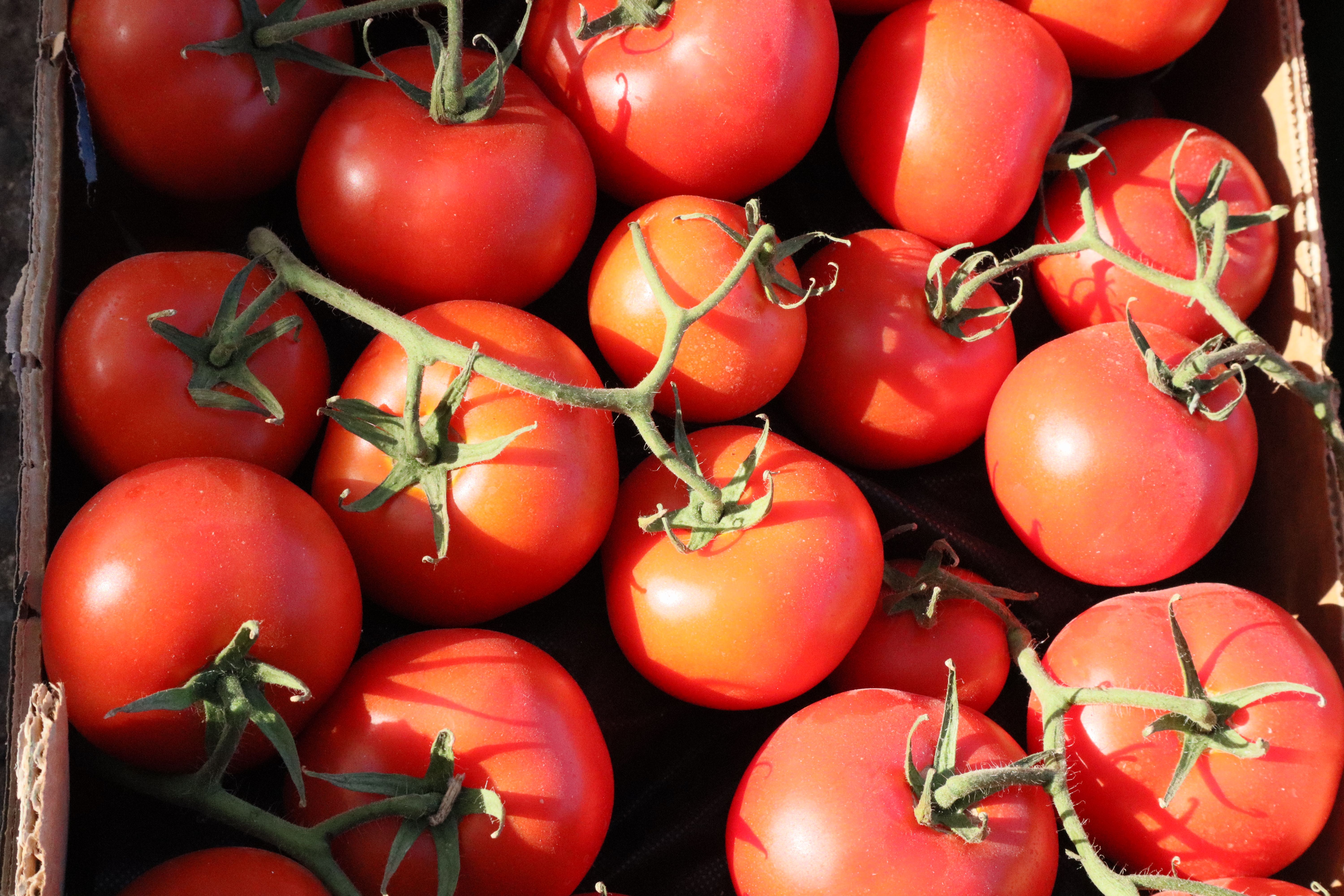
Vegetables
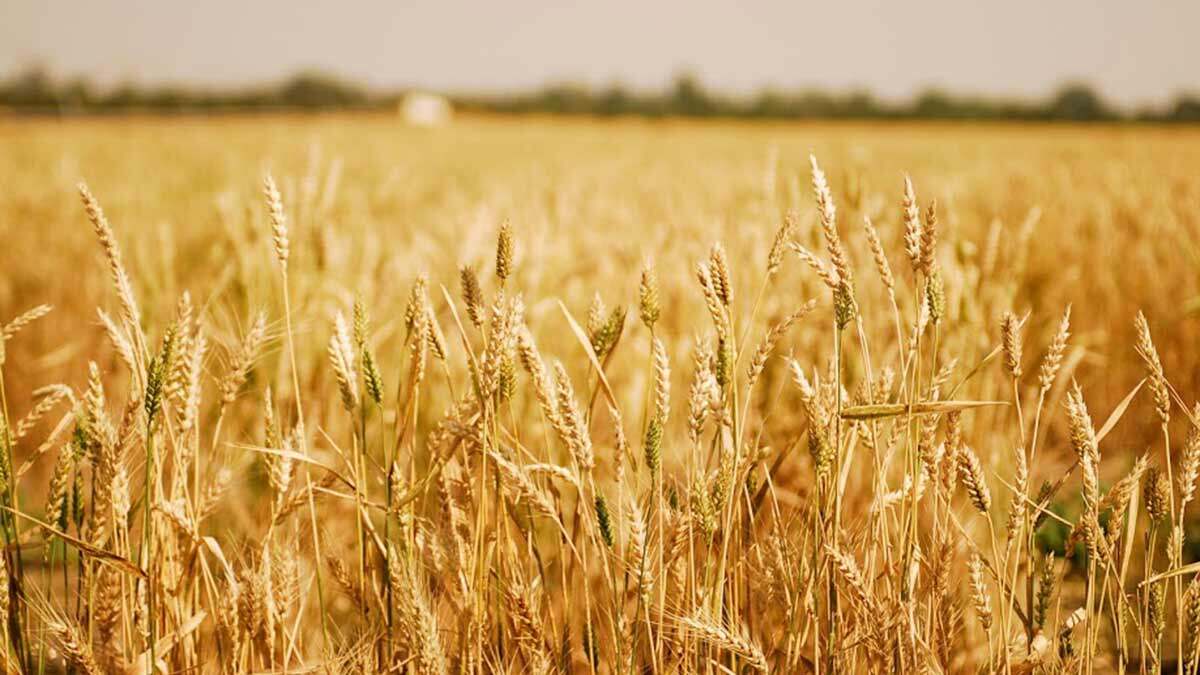
Field Crops
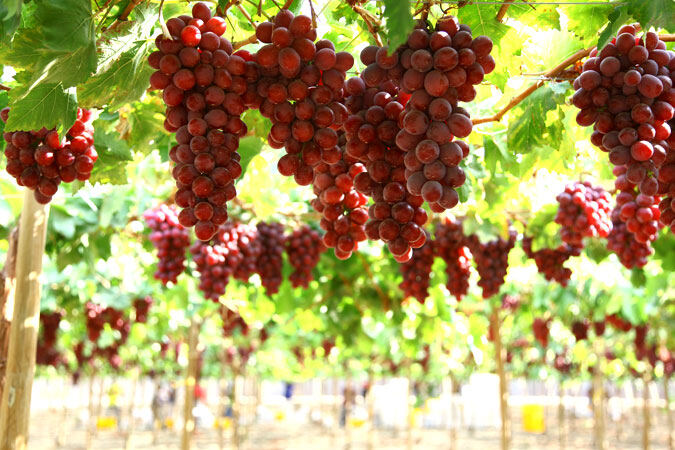
Fruits
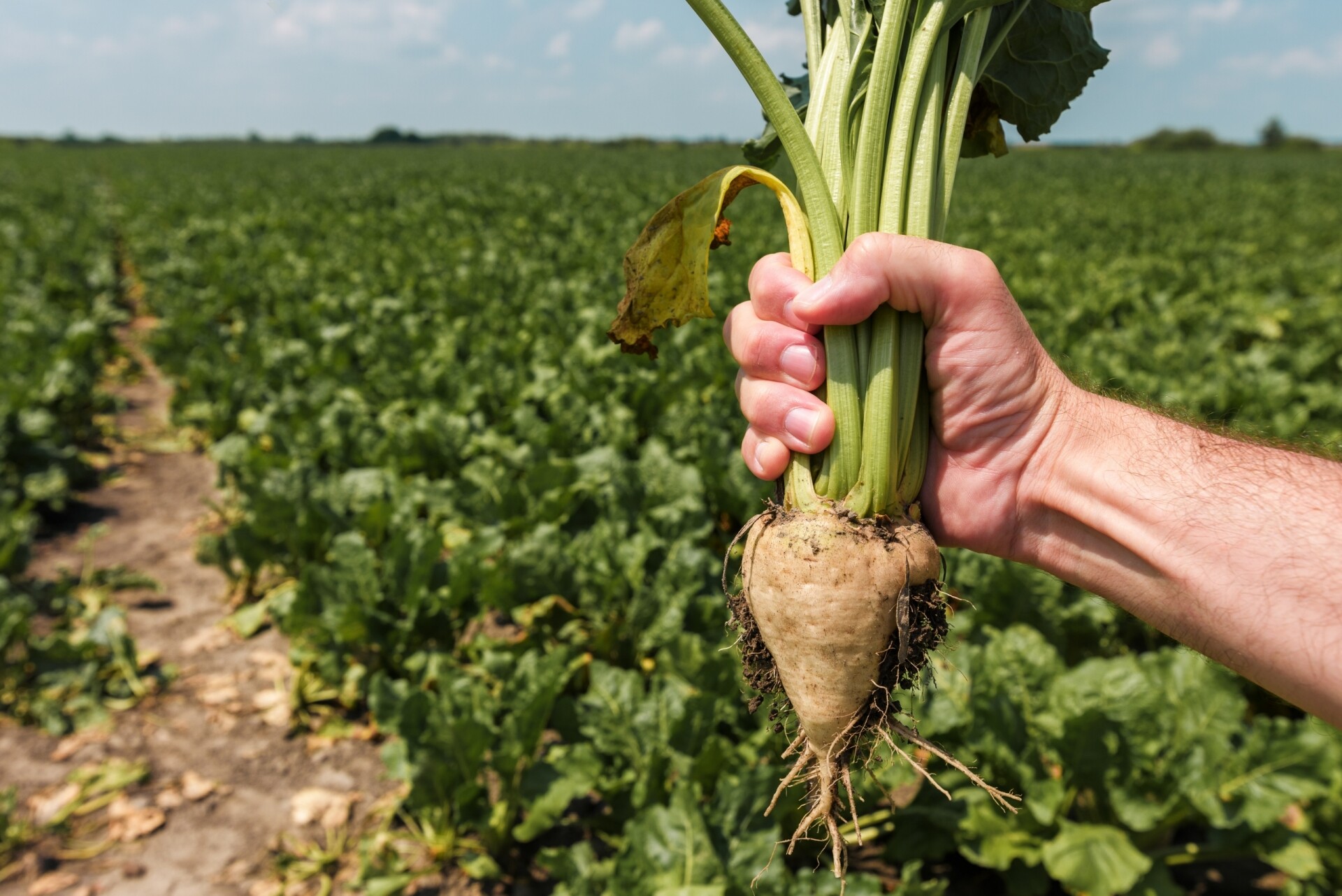
Cash Crops
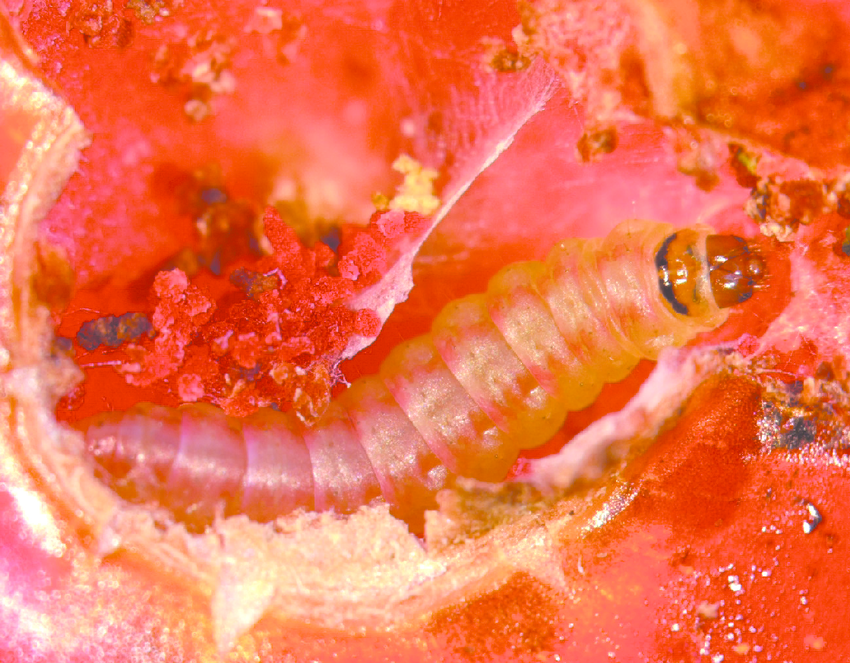
Leafminer
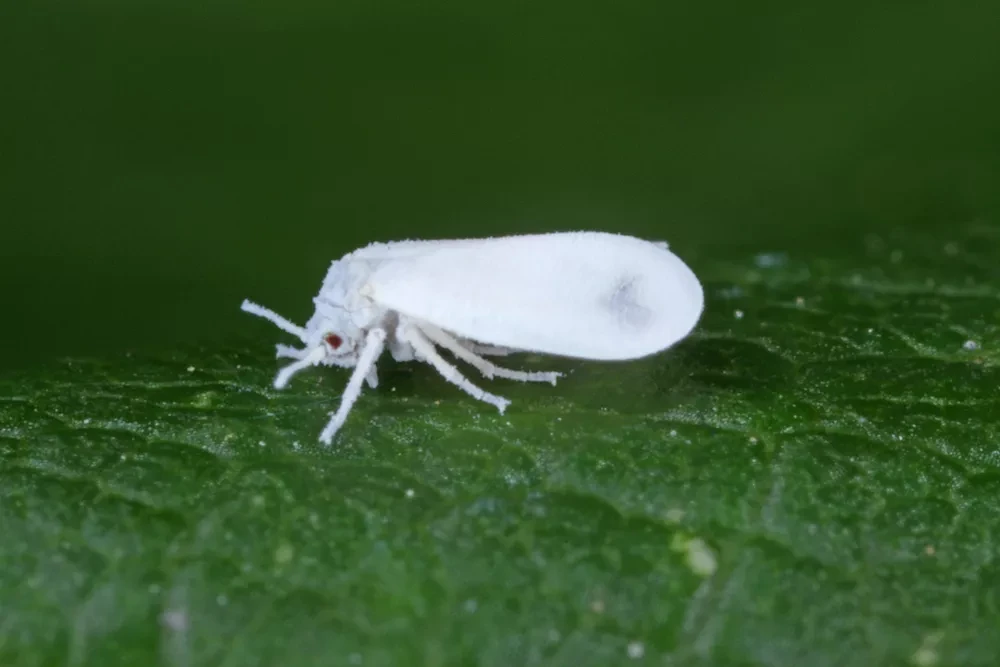
Whiteflies
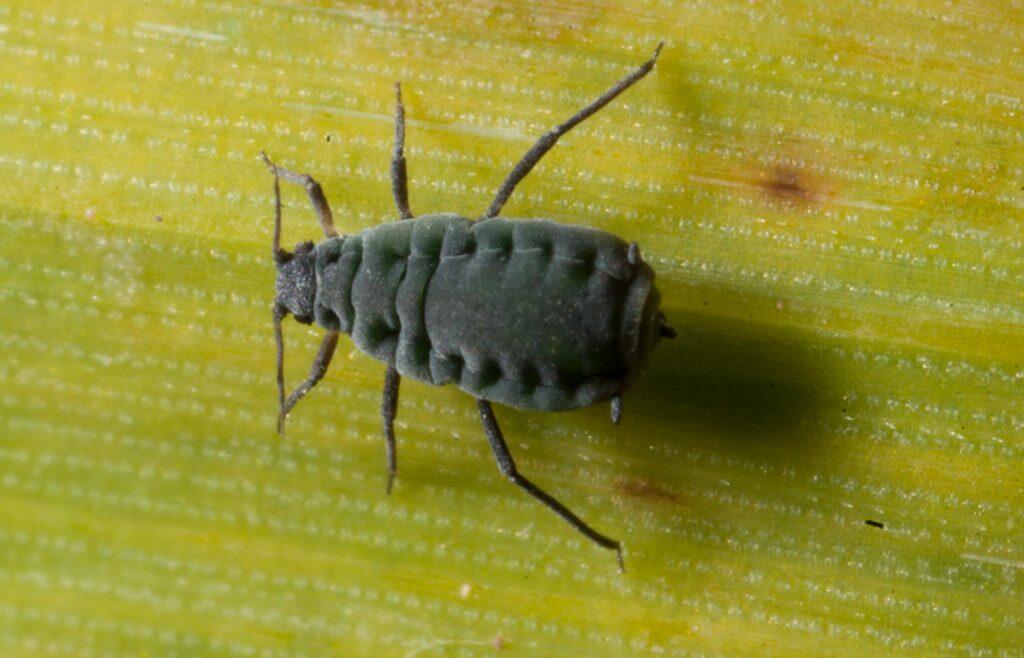
Aphids