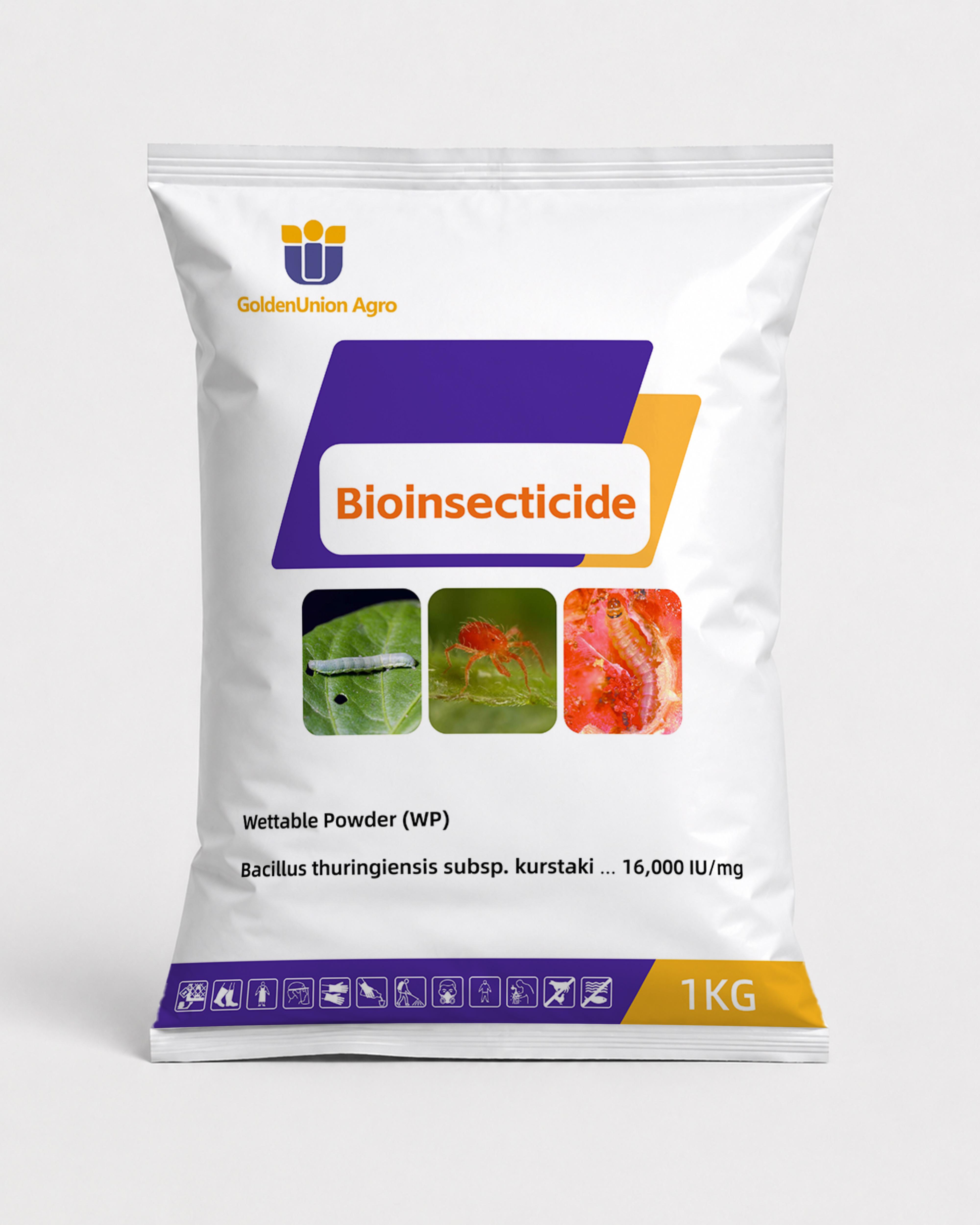
Bacillus thuringiensis kurstaki (Btk) 16,000 IU/mg WP
A microbial biological insecticide, mainly used to control lepidopteran larvae in vegetables, field crops, fruit crops, plantation crops, ornamentals, forestry, and other registered crops.
Active Ingredient
Formulation
Packaging
Bacillus thuringiensis kurstaki (Btk)
WP
50~10,000 g/bag
25 kg/drum or bag
Customized packaging & labels available
Available Formulations 4,000/ 8,000/ 16,000/ IU/mg WP; 16,000 IU/mg WDG; 2,000/ 4,000/ 8,000 IU/μl SC
Technical Material (TC) 32,000/ 50,000 IU/mg
Combination Formulations
Features
Effective against Diamondback Moths, Cabbage Caterpillars, Cabbage Loopers, Armyworms, Beet Armyworms, Cotton Bollworms, Corn Earworms, Tomato Leafminers, Fruit Borers, Leafrollers, Webworms, and other lepidopteran larvae.
After ingestion by larvae, Btk crystal proteins act on the insect midgut, disrupting gut membranes, stopping feeding, and causing larval death.
Mainly suitable for cabbage, broccoli, cauliflower, tomato, pepper, cucumber, melon, corn, cotton, soybean, peanut, rice, apple, grape, citrus, tea, tobacco, ornamentals, and forestry crops where locally registered
Application Guide
| Application Crops | Target Pests | Recommended Application Rate | Application Timing |
|---|---|---|---|
| Vegetable Crops | |||
| Cabbage, Broccoli, Cauliflower, Chinese Cabbage, Lettuce, Tomato, Pepper, Eggplant, Cucumber | Diamondback Moths, Cabbage Caterpillars, Cabbage Loopers, Beet Armyworms, Webworms, Leaf-eating Caterpillars, Tomato Leafminers, Melonworms, Leafrollers | 500–1,200 g/ha
| Apply at egg hatch or early larval stage. Best results are achieved on young larvae before severe leaf damage occurs. |
| Field Crops | |||
| Corn, Cotton, Soybean, Peanut, Rice | Corn Earworms, Corn Borers, Fall Armyworms, Cotton Bollworms, Tobacco Budworms, Soybean Loopers, Armyworms, Rice Leafrollers, Stem Borers Before Boring | 600–1,500 g/ha
| 2 |
| Fruit Crops | |||
| Apple, Pear, Grape, Citrus, Peach, Mango, Pomegranate | Leafrollers, Codling Moths, Oriental Fruit Moths, Fruit Borers, Citrus Cutworms, Webworms, Tent Caterpillars, Lepidopteran Larvae | 600–1,500 g/ha
| Apply based on pest monitoring, egg hatch, or early larval activity. Ensure good canopy coverage because larvae must ingest treated foliage or fruit surfaces. |
| Cash Crops / Ornamentals / Forestry | |||
| Tea, Tobacco, Ornamentals, Nursery Crops, Forestry Trees | Tea Caterpillars, Tea Loopers, Tobacco Budworms, Cutworms, Armyworms, Leafrollers, Webworms, Tent Caterpillars, Forest Defoliating Caterpillars | 800–2,000 g/ha
| Apply at the early larval stage. For forestry or high-canopy crops, use sufficient spray volume to obtain uniform coverage of feeding sites. |
Target Crops & Pests
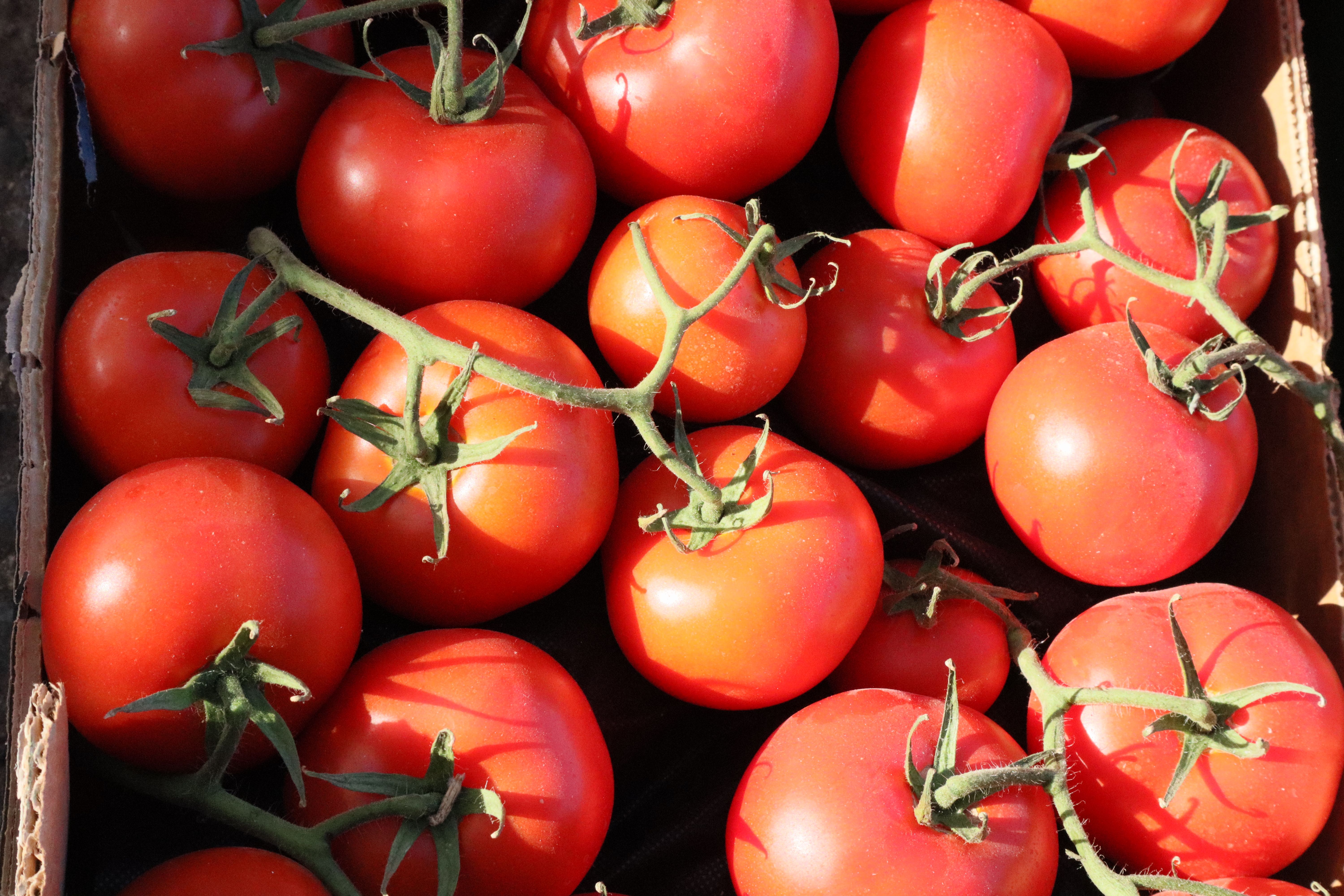
Vegetable Crops
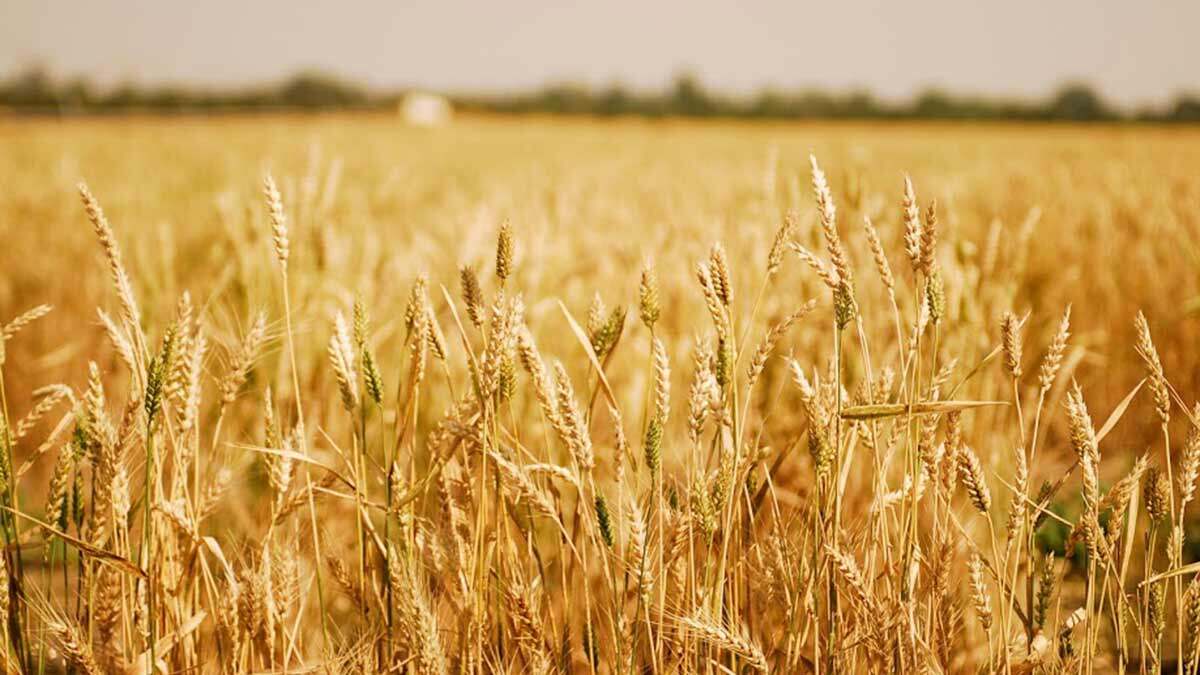
Field Crops
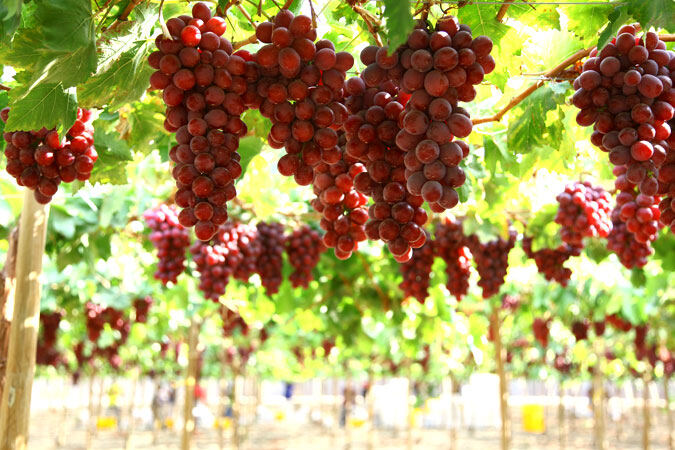
Fruit Crops
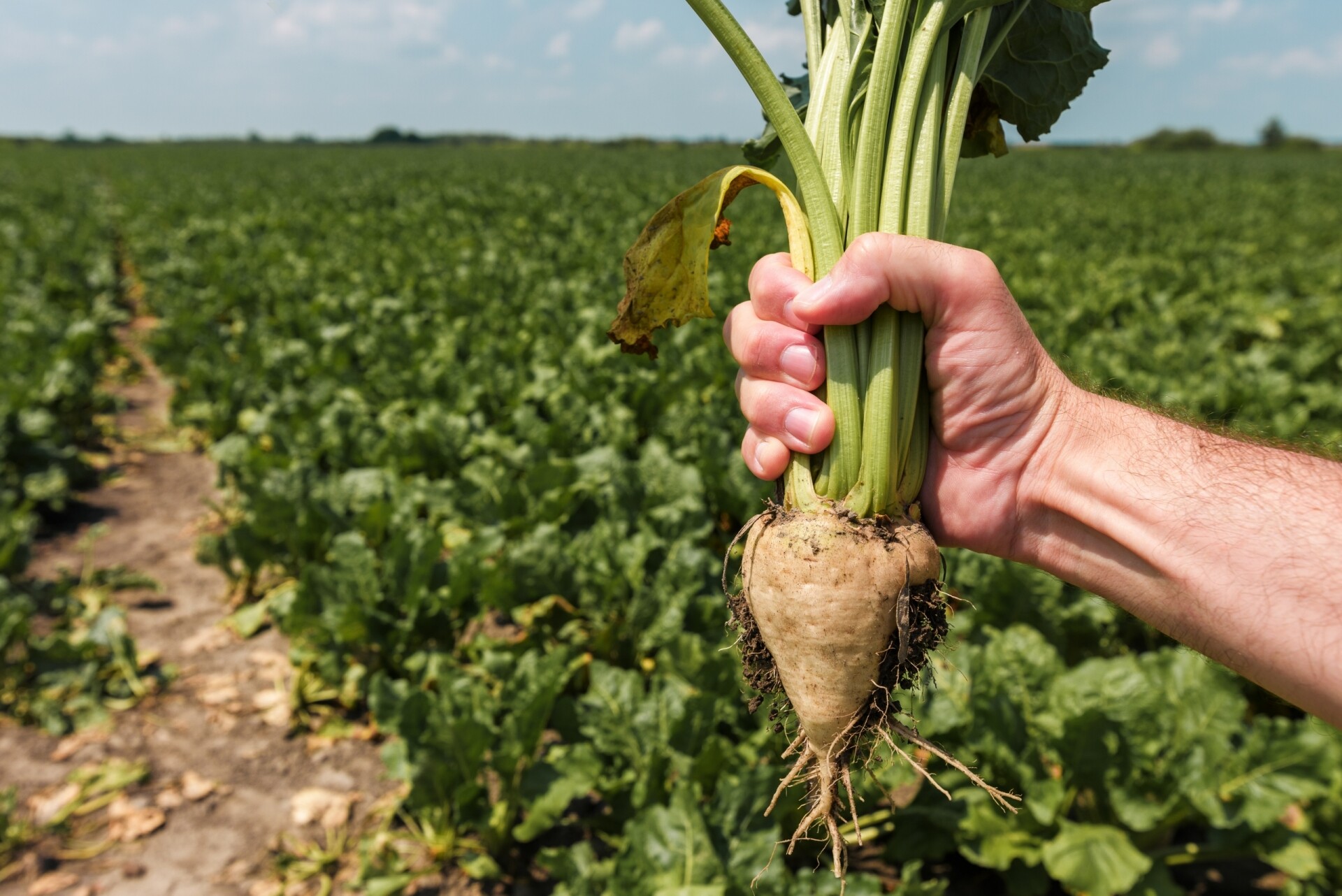
Cash Crops
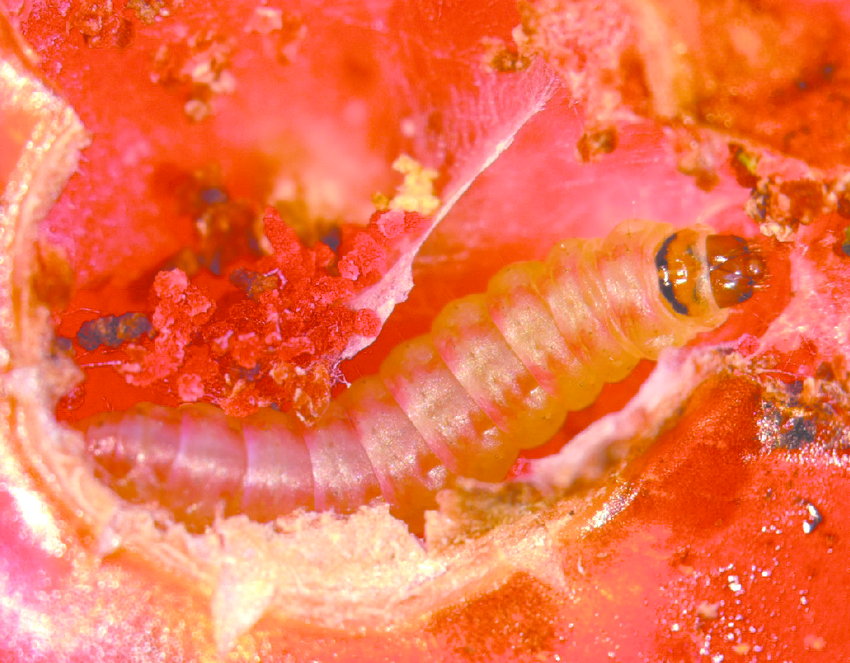
Leafminer
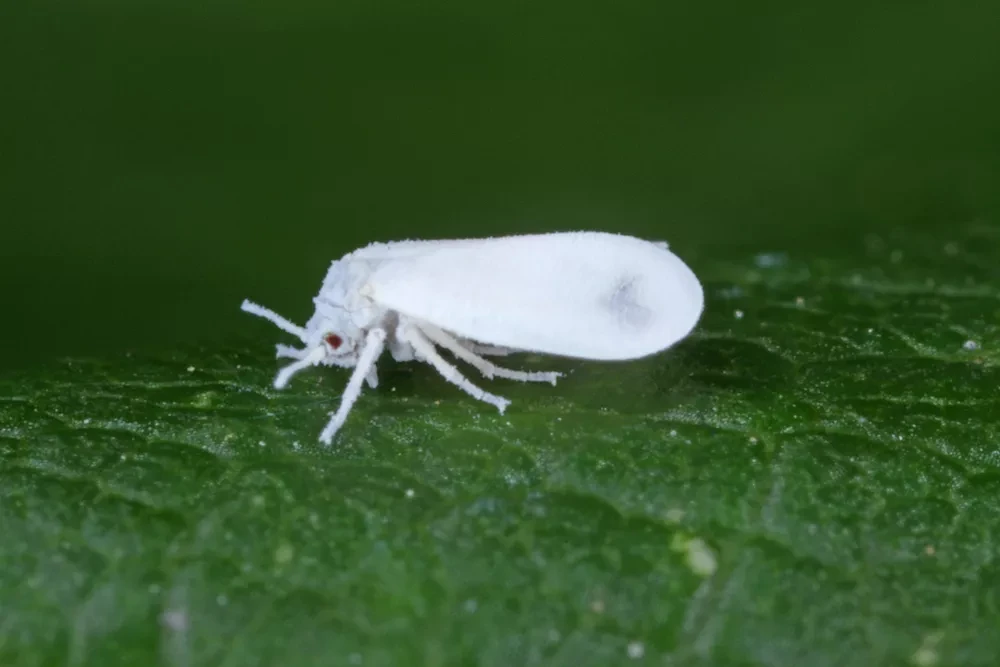
Whiteflies
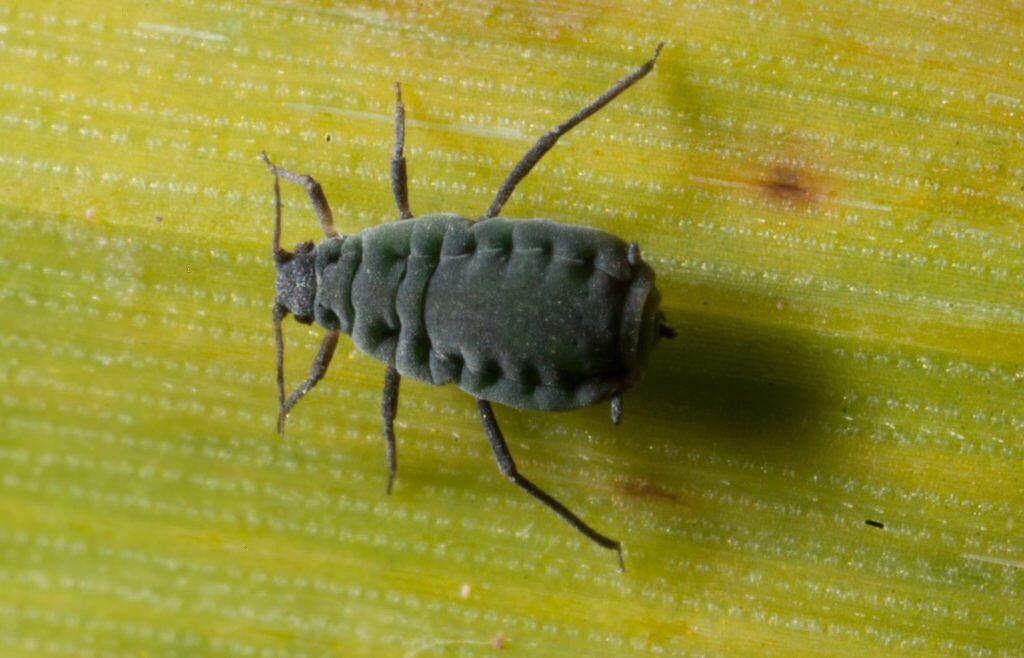
Aphids