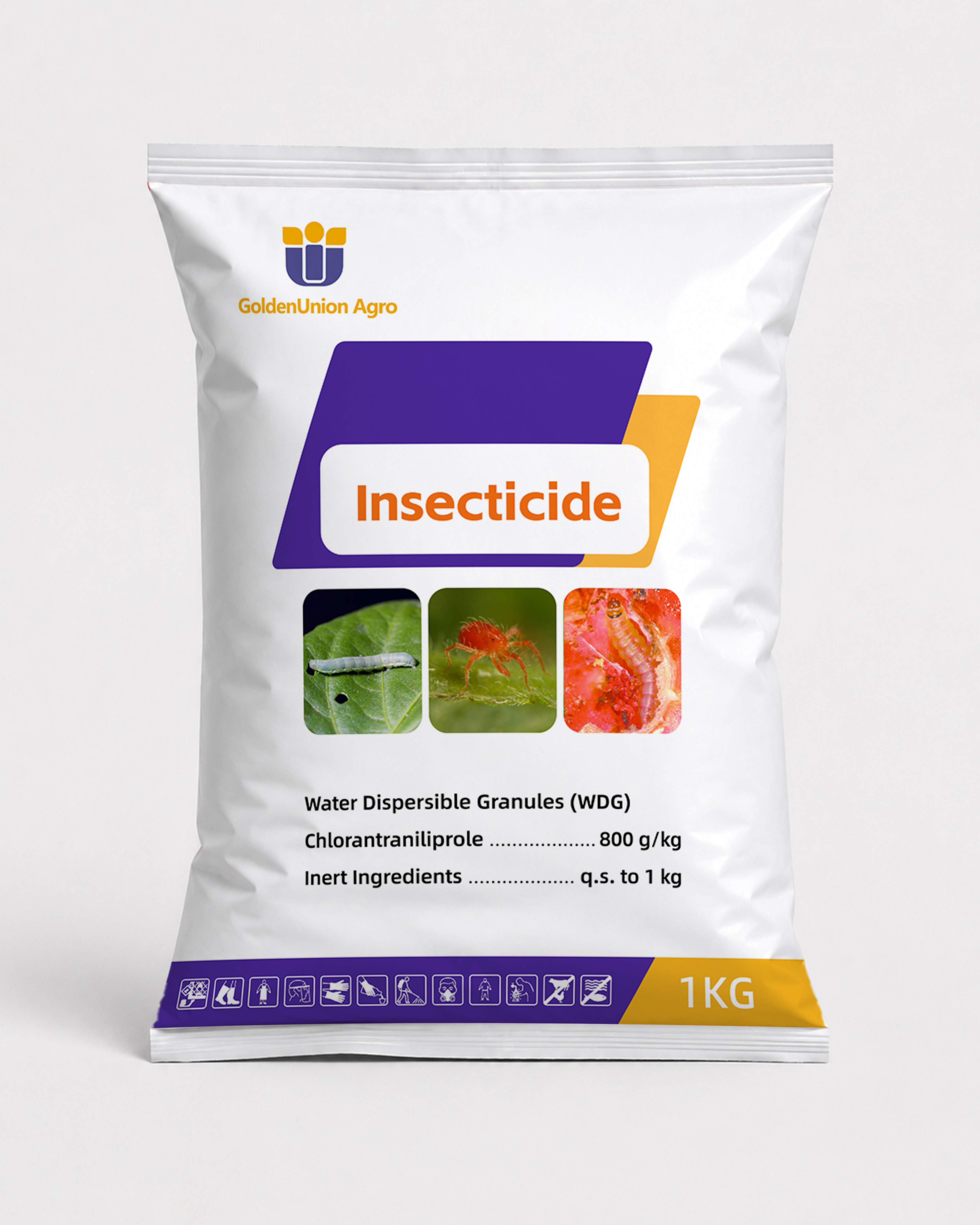
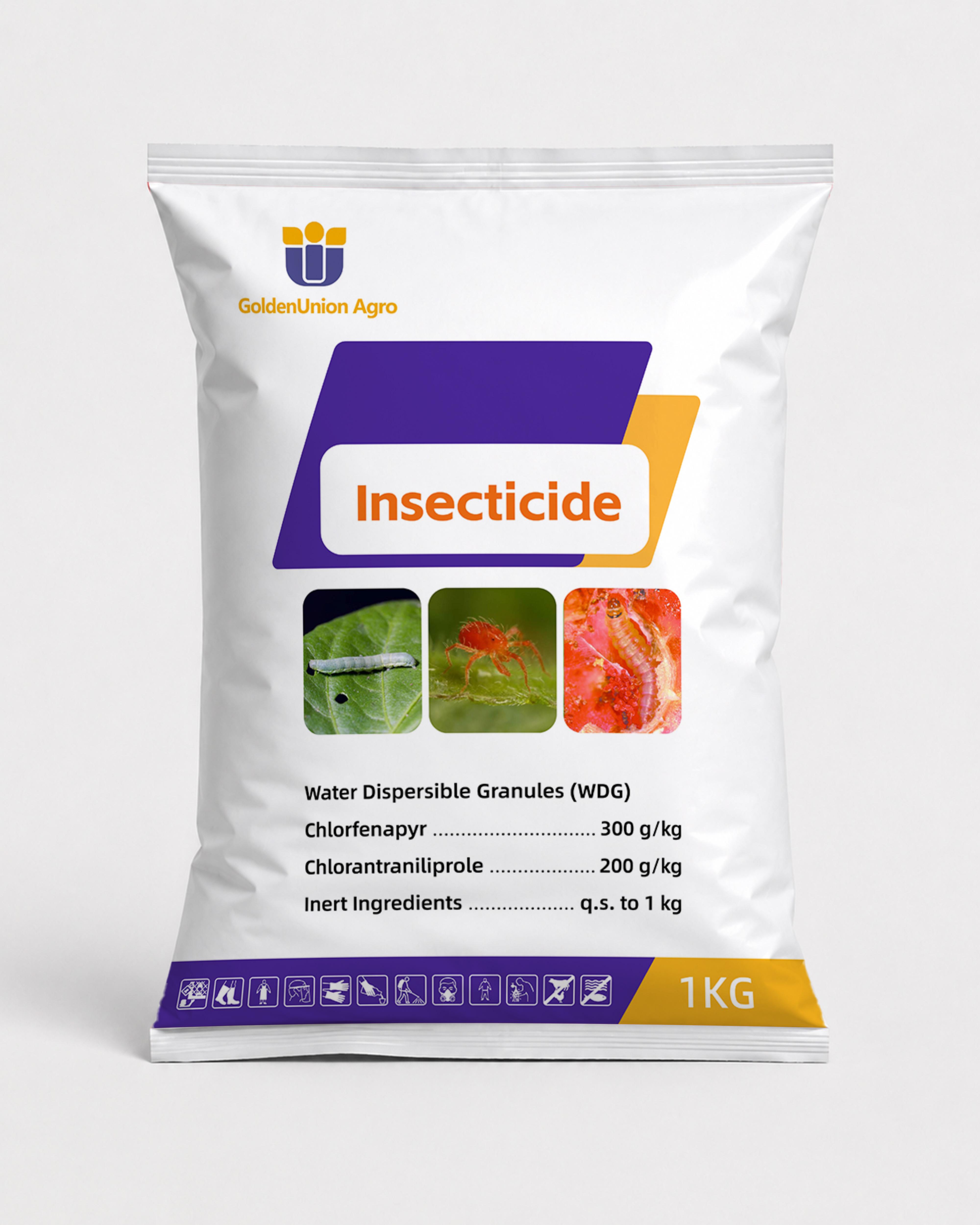
Chlorfenapyr 30% + Chlorantraniliprole 20% WDG
Broad-spectrum insecticide formulation with contact, stomach, and translaminar activity. Fast-acting control with long-lasting protection, providing excellent performance against a wide range of lepidopteran pests and mites, including resistant populations.
Active Ingredient
Formulation
Packaging
Chlorfenapyr Chlorantraniliprole
WDG
50~10,000 g/bag
25 kg/drum or bag
Customized packaging & labels available
Features
Excellent control of caterpillars, mites, thrips, and other difficult-to-control pests, covering both chewing pests and mites.
Chlorfenapyr delivers strong killing power, and Chlorantraniliprole ensures rapid feeding inhibition and long residual activity, both quick knockdown and extended protection.
With dual modes of action, it is highly effective against resistant pests and suitable for use on vegetables, fruits, cotton, and other crops.
Application Guide
| Application Crops | Target Pests | Recommended Application Rate | Application Timing |
|---|---|---|---|
| Vegetable Crops | |||
| Cabbage, Broccoli, Cauliflower, Tomato, Pepper, Eggplant, Cucumber, Melon, Watermelon, Onion, Potato | Diamondback Moths, Cabbage Caterpillars, Cabbage Loopers, Beet Armyworms, Fall Armyworms, Tobacco Caterpillars, Tomato Fruit Borers, Tomato Leafminers, Fruit Borers, Shoot Borers, Leafminers, Potato Tuberworms, Onion Thrips, Thrips, Broad Mites, Two-spotted Spider Mites | 100–250 g/ha | Apply at egg hatch or early larval stage for caterpillars and borers. For thrips, mites, and leafminers, apply at early population buildup and ensure good coverage of leaf undersides, young leaves, flowers, and protected feeding sites |
| Field Crops | |||
| Rice, Corn, Cotton, Soybean, Peanut | Rice Leafrollers, Rice Stem Borers, Yellow Stem Borers, Corn Borers, Corn Earworms, Fall Armyworms, Cotton Bollworms, Tobacco Budworms, Beet Armyworms, Soybean Loopers, Pod Borers, Thrips, Spider Mites | 150–350 g/ha | Apply according to field scouting, egg hatch, or early larval activity. For borers, bollworms, earworms, and pod borers, treatment should be made before larvae enter stems, ears, bolls, pods, or other protected feeding sites |
| Fruit Crops | |||
| Citrus, Grape, Strawberry, Apple, Pear, Peach, Mango, Pomegranate, Orchard Crops | Fruit Borers, Leafrollers, Leaf-feeding Caterpillars, Thrips, Spider Mites | 150–350 g/ha | Apply based on pest monitoring, egg hatch, adult flight, or early pest activity. Ensure good coverage of young shoots, leaf undersides, flowers, fruit surfaces, and canopy feeding sites |
| Cash Crops | |||
| Tea, Tobacco, Sugarcane, Rose, Chrysanthemum, Flowers, Ornamentals, Nursery Crops, Greenhouse Crops | Tea Caterpillars, Tea Loopers, Tobacco Budworms, Cutworms, Armyworms, Sugarcane Borers, Leafrollers, Thrips, Western Flower Thrips, Broad Mites, Two-spotted Spider Mites, Leafminers, Flower Caterpillars | 150–350 g/ha
| Apply at early pest occurrence. In protected cultivation, ensure thorough coverage and rotate with products of different IRAC groups to reduce resistance risk |
Target Crops & Pests
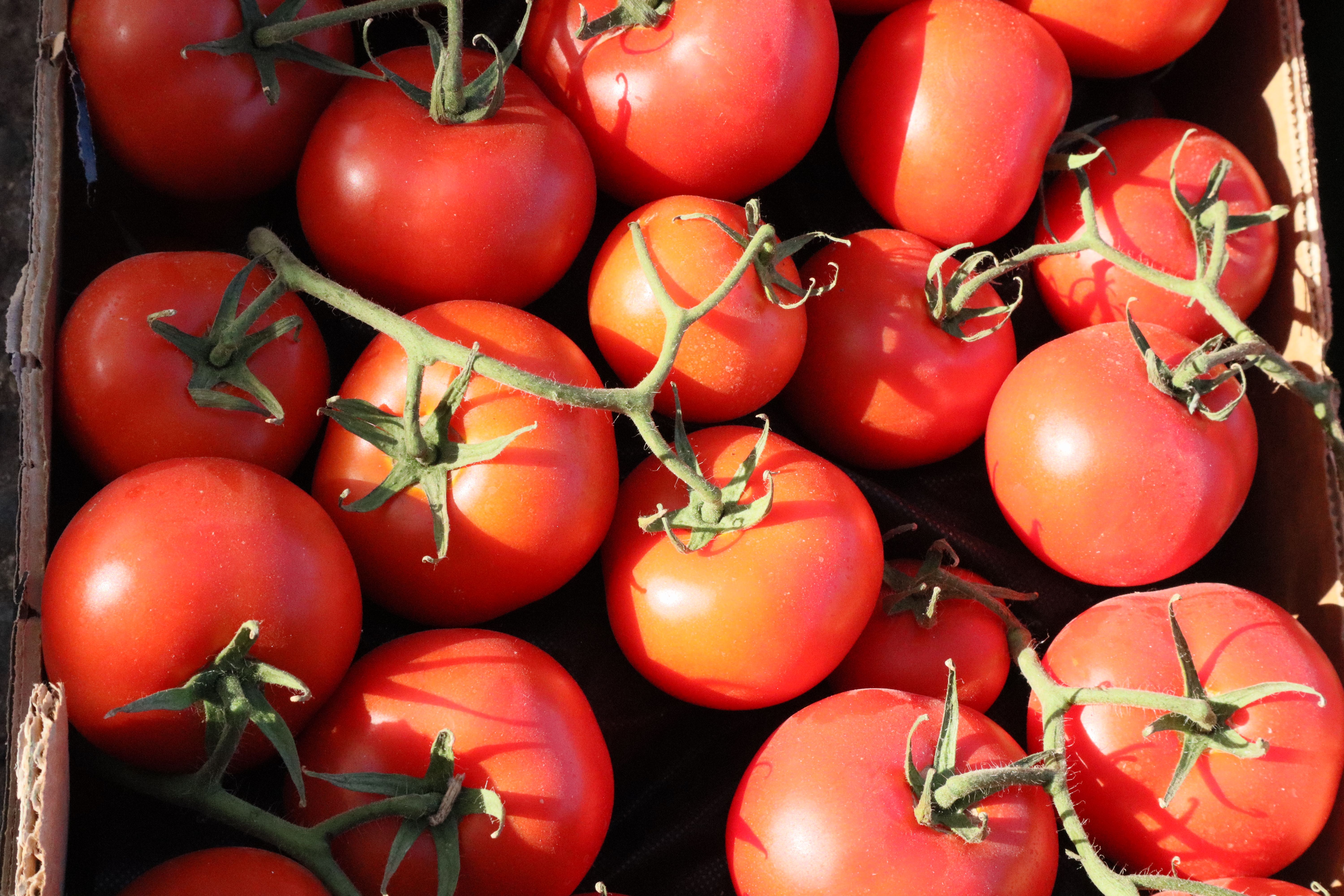
Vegetables
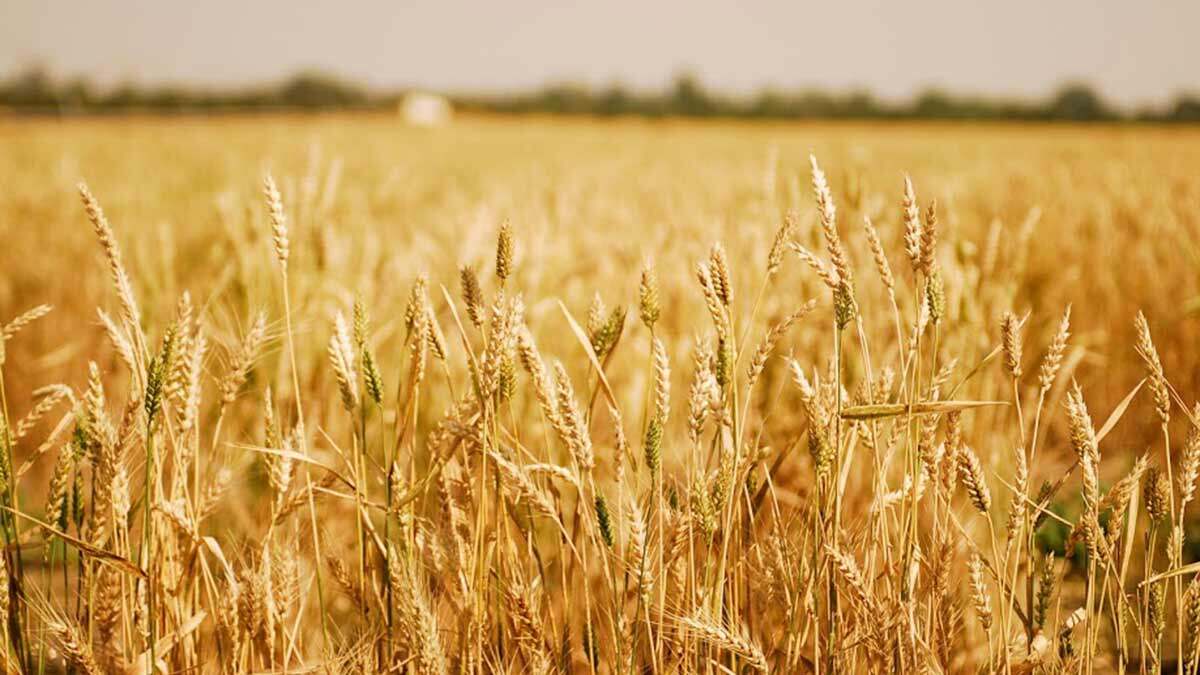
Field Crops
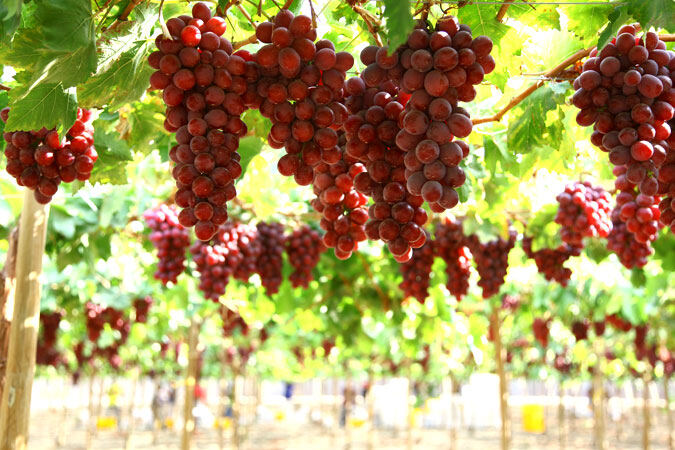
Fruits
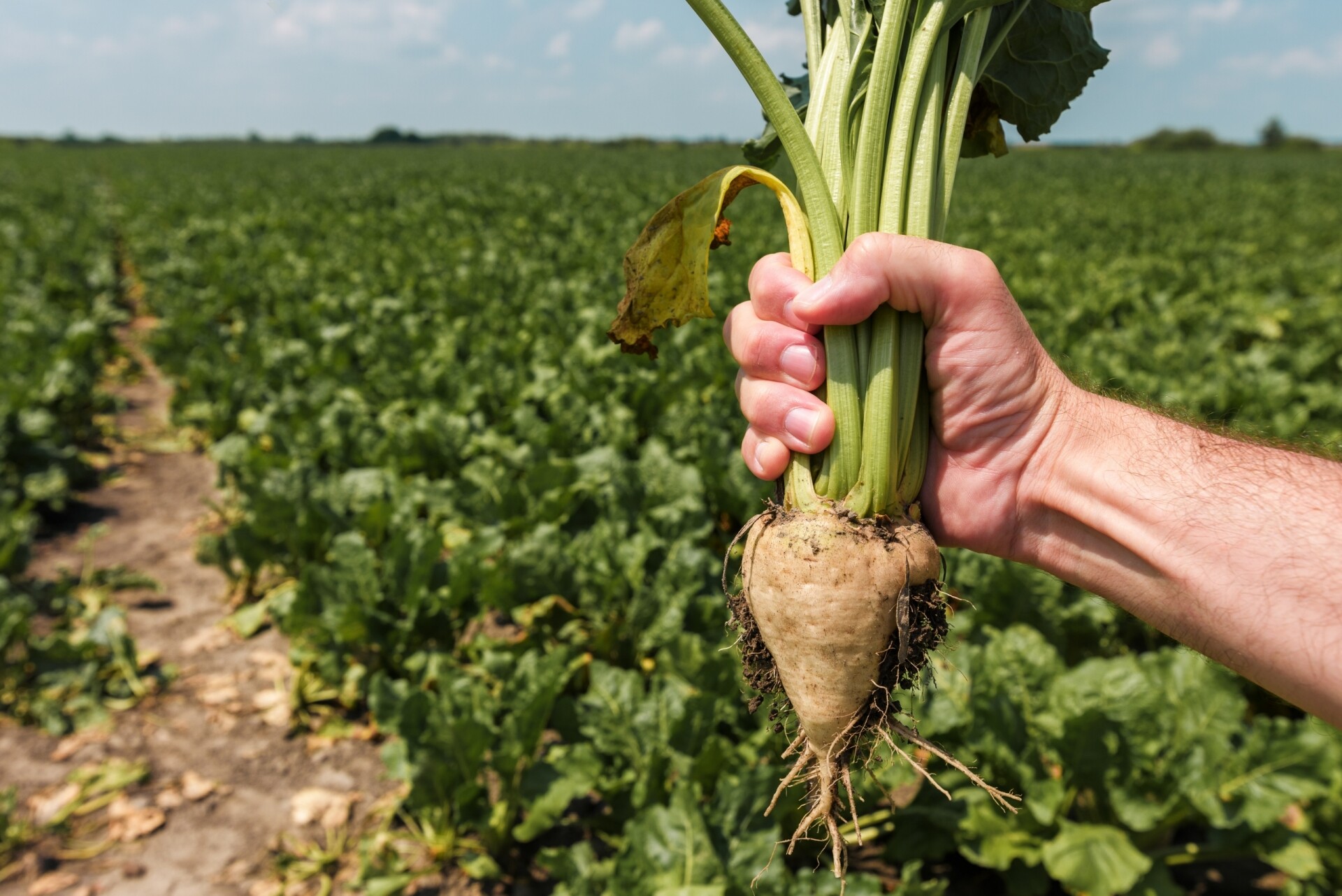
Cash Crops
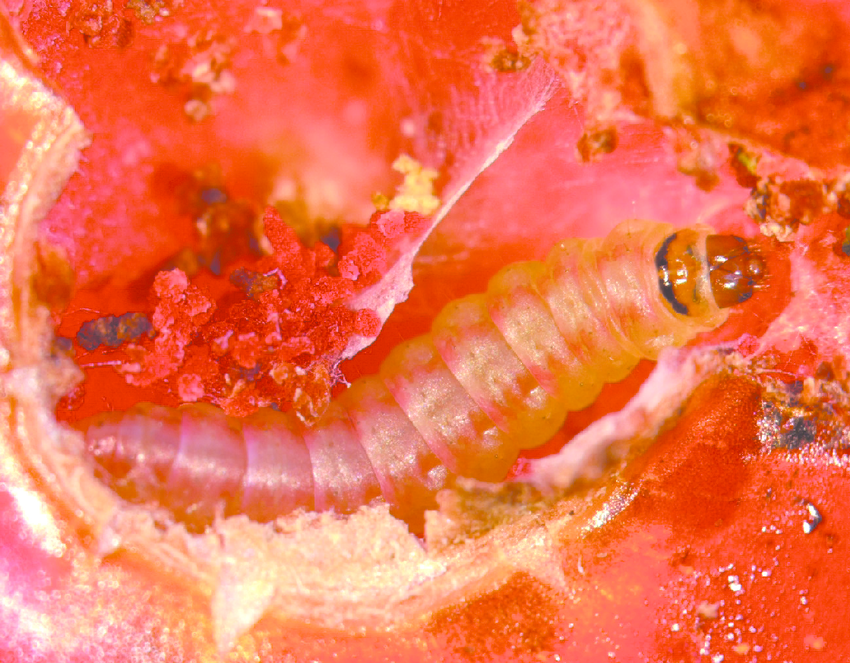
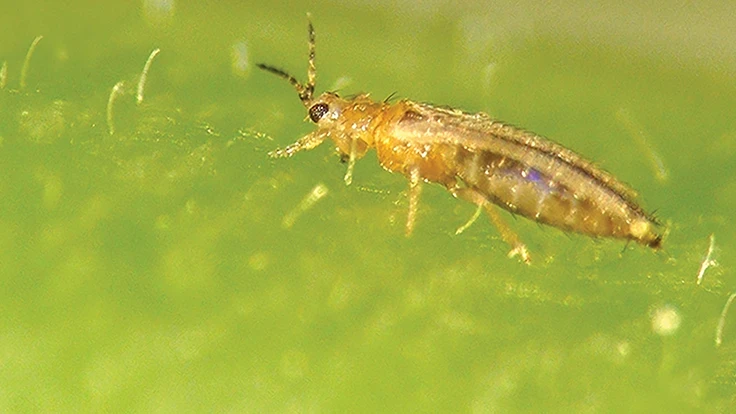
Leafminer
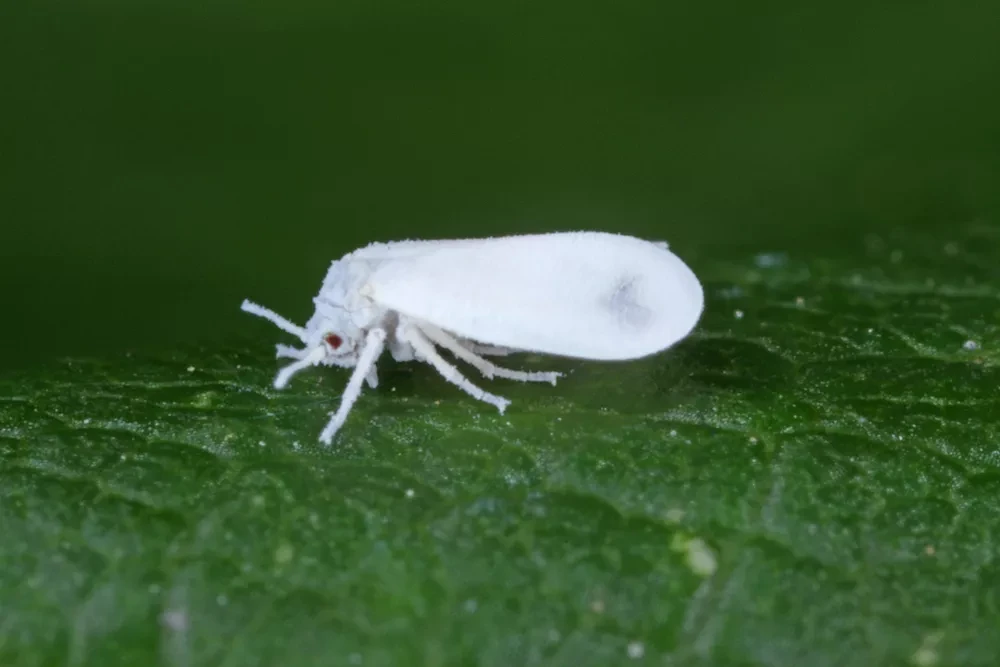
Whiteflies
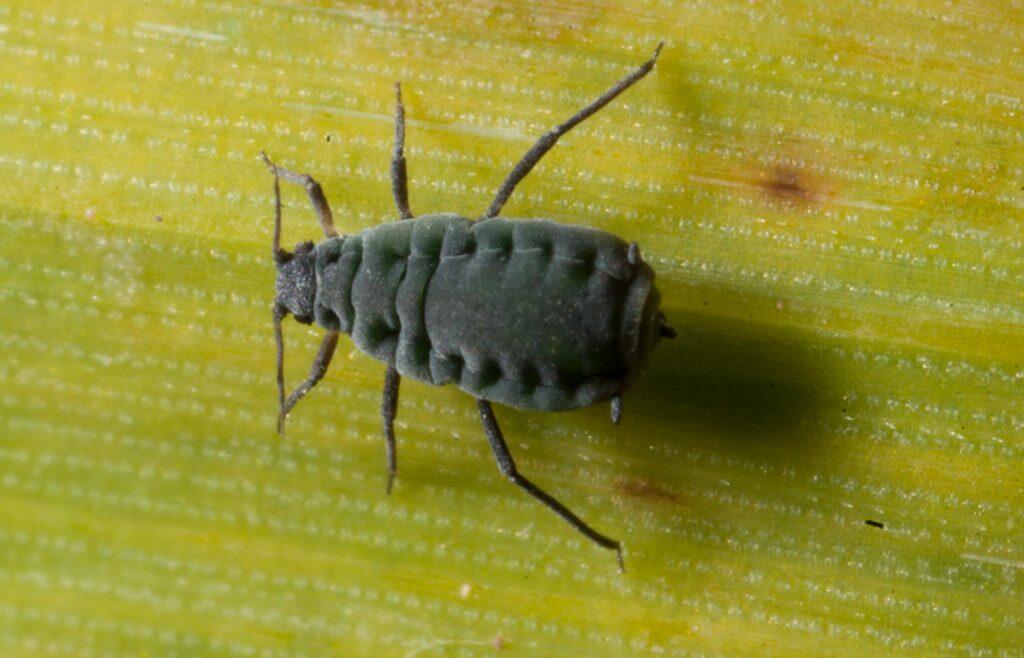
Aphids